

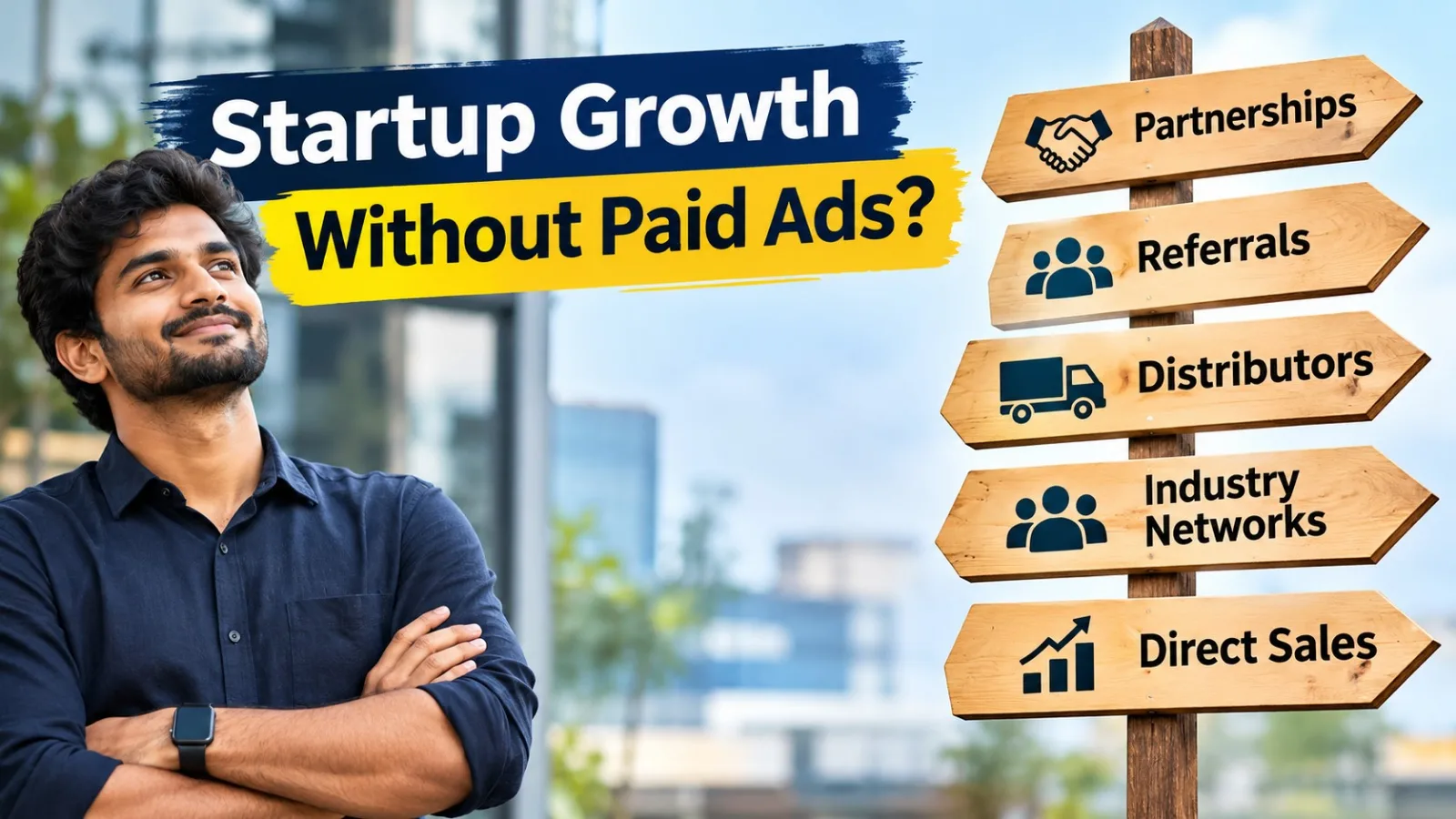
How Indian startups are acquiring customers through founder-led sales, industry networks, distributors, partnerships and referrals instead of relying on digital advertising.
A startup does not necessarily need Google rankings, Instagram followers or a large advertising budget to build a customer base. Some businesses grow by meeting customers directly, building relationships with distributors, entering industry networks and solving specific operational problems that customers are willing to pay to fix.
This approach is particularly relevant for B2B startups, industrial suppliers, specialised software companies and businesses serving traditional industries. Their customers may not discover products through social media. They may find suppliers through trade associations, existing business relationships, exhibitions, referrals and direct sales conversations.
India has several companies whose growth journeys illustrate how businesses can build distribution and customer relationships beyond conventional digital advertising. Their experiences also show that customer acquisition does not always begin with a marketing campaign; sometimes it begins with a founder visiting a factory, meeting a retailer or convincing one distributor to try a new product.
Zoho: Building a Global Software Business Through Customer Relationships
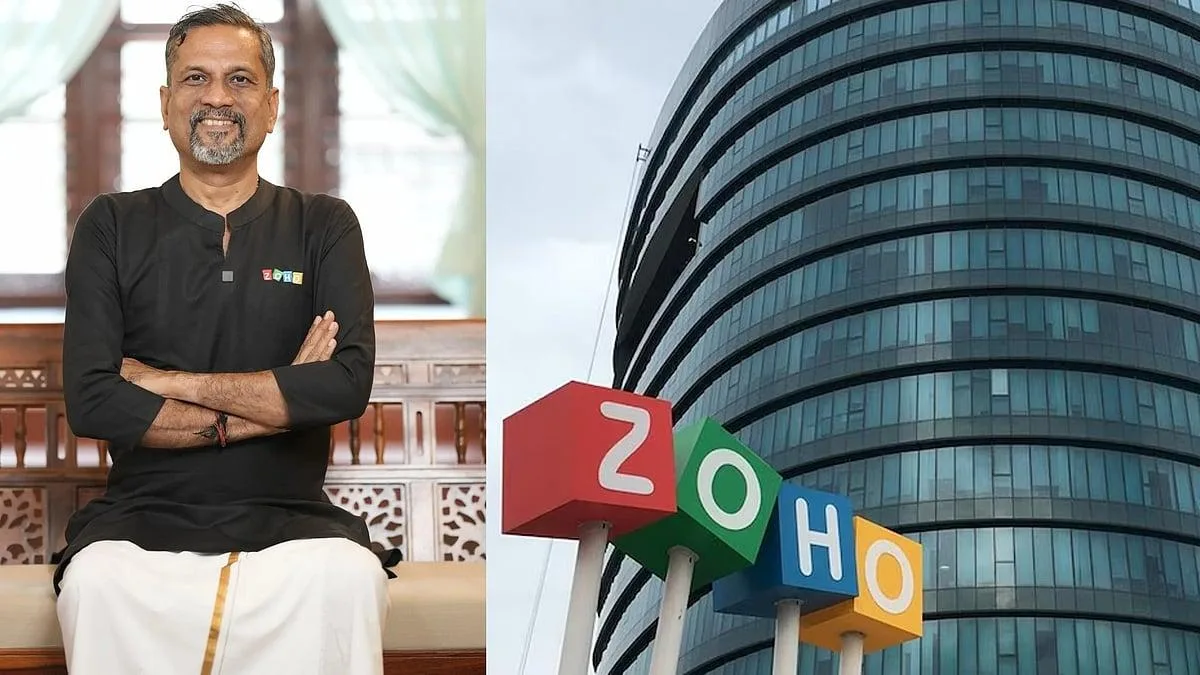
Zoho Corporation is one of India's strongest examples of building a technology business without depending on venture capital funding or a conventional high-spending growth model. Founded in 1996, the company initially operated in the network management software market, serving business customers with specialised technology products.
Its early growth involved direct customer engagement and founder-led selling. Co-founder Sridhar Vembu has described how the company participated in trade shows to find customers, while its early revenue was reinvested into product development. The company later expanded into business applications, CRM, finance software and workplace tools.
Zoho's approach demonstrates an important lesson for software startups: a company can build a sustainable business by solving a recurring business problem, developing customer relationships and earning recurring revenue. Its own account says it has remained bootstrapped and privately held, prioritising research and development over aggressive marketing expenditure.
Zerodha: Growing Through Customer Trust and Referrals

Zerodha built its brokerage business around low-cost trading, technology and a different pricing structure from traditional stockbrokers. Instead of depending primarily on expensive advertising campaigns, the company developed a business model that encouraged customers to recommend its services to other traders.
Founder Nithin Kamath has publicly attributed much of Zerodha's customer growth to trust, referrals and word-of-mouth recommendations. Its educational platform, Varsity, also helped establish a relationship with investors by making financial market education accessible.
The company's journey highlights the potential of referral-driven customer acquisition. When an existing customer has a good experience and recommends a product to friends, colleagues or business contacts, the company can acquire new customers without paying for every individual lead.
Paper Boat: Building Distribution Through Retail Outlets
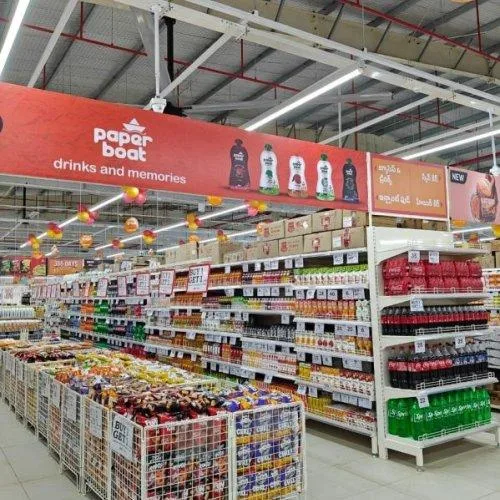
Paper Boat provides an example of how a consumer brand can build a physical distribution network rather than relying entirely on digital discovery. Operated by Hector Beverages, the company entered a competitive beverage market with products based on traditional Indian drinks and familiar flavours.
The company expanded its reach through retail stores, distributors and modern trade outlets. In January 2021, the company reported that its products were available in approximately 2.5 lakh retail outlets, with plans to increase that reach to 3.5 lakh outlets.
This model requires a different kind of investment. Instead of spending only on online customer acquisition, a startup must develop relationships with distributors, retailers and wholesalers. Product availability, shelf placement, repeat orders and retailer relationships become important parts of the growth strategy.
Happilo: Using Distributors to Reach Thousands of Stores
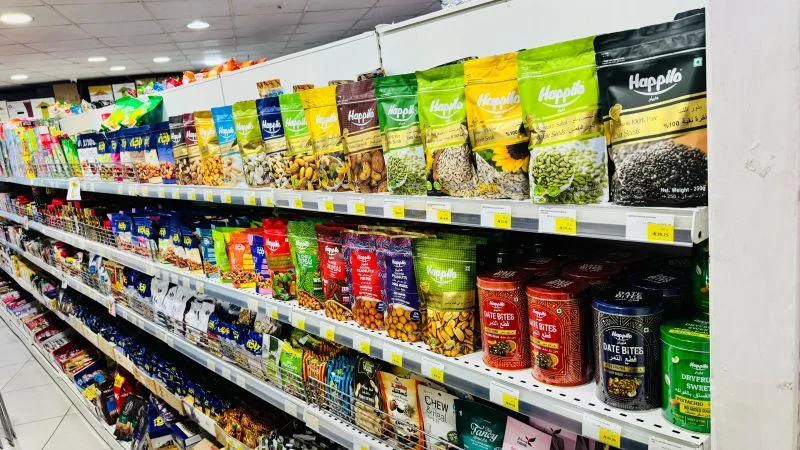
Happilo offers another example from the packaged food industry. Founded by Vikas Nahar in 2016, the company started with a small initial capital base and gradually expanded its presence in the dry fruits and healthy snacking market.
A 2022 Business Standard report said Happilo was selling through approximately 100 distributors and 10,000 stores across India. Before the pandemic, around 70% of its business came through distributors and modern trade, according to the same report.
The company's growth illustrates why distribution relationships matter for startups selling physical products. A new food brand can approach established distributors who already supply supermarkets, general trade stores and regional retailers instead of building an entirely new delivery network from scratch.
ElasticRun: Helping Brands Reach Customers Through Existing Networks
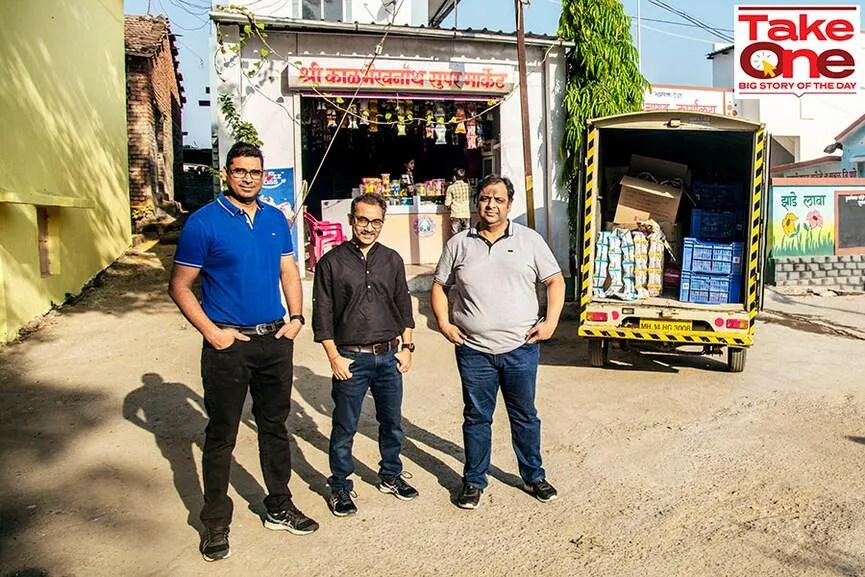
ElasticRun developed a business model around an important problem faced by consumer brands: reaching small retailers in geographically dispersed markets.
The company connected FMCG brands with kirana stores, particularly in rural and underserved markets. Instead of requiring every manufacturer to establish its own distribution infrastructure, ElasticRun helped extend existing distribution networks to retailers that conventional supply chains might not reach efficiently.
This model demonstrates another customer acquisition opportunity for startups. A business does not always need to approach thousands of customers individually. It can partner with an organisation that already has access to those customers and build a commercial relationship through that network.
Moglix: Selling Through Industrial Procurement Relationships
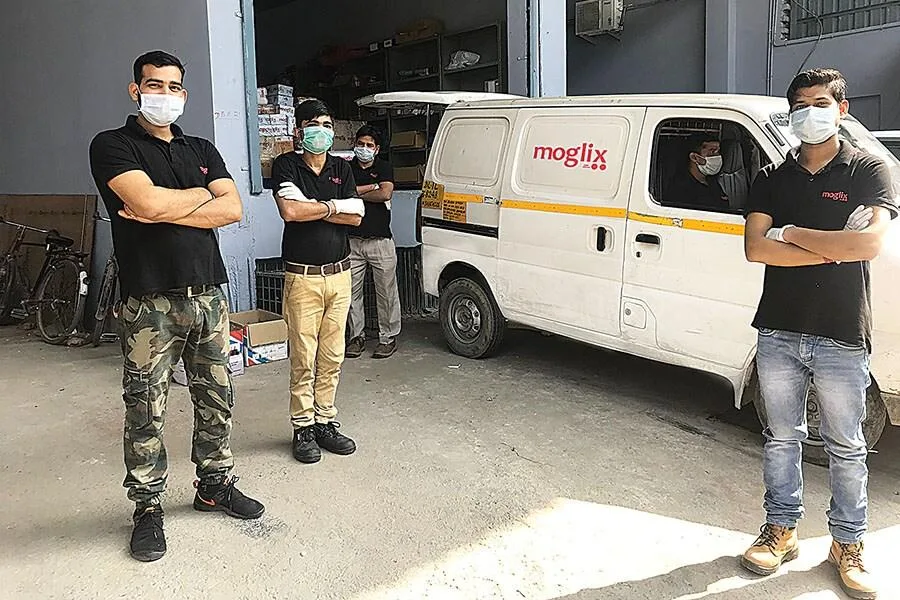
Moglix entered a market where customer acquisition depends heavily on business relationships, product availability and procurement requirements. Founded by Rahul Garg in 2015, the company focuses on industrial supplies, maintenance products and procurement solutions for businesses.
Its customers include manufacturers and other industrial organisations that require regular supplies. These are not necessarily customers who discover a supplier through an Instagram advertisement. Procurement teams often evaluate suppliers based on pricing, reliability, product specifications, delivery capabilities and long-term service.
For startups entering industrial markets, this creates an alternative route to growth. They can approach factory owners, procurement managers, contractors and plant operators directly, demonstrate their products and gradually build repeat business through reliable supply.
OfBusiness: Building Relationships Around Industrial Requirements
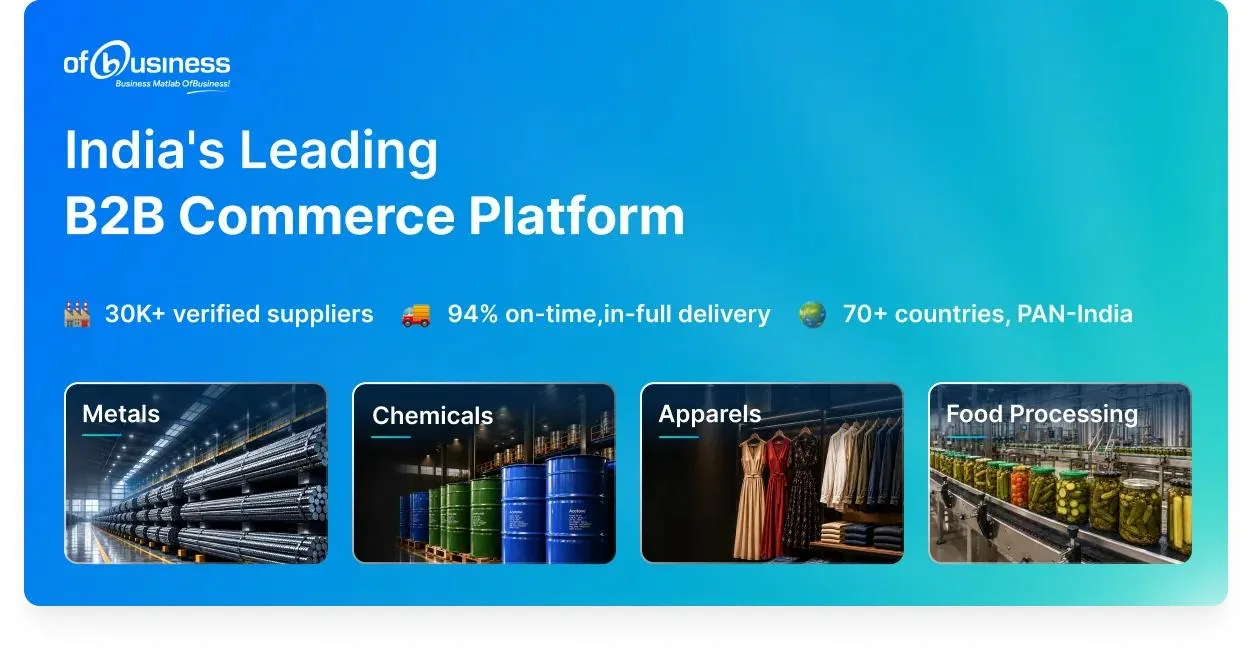
OfBusiness illustrates how startups can target a clearly defined business customer instead of trying to reach a mass consumer audience. The company, founded in 2015, focuses on providing raw materials and procurement-related services to small and medium-sized businesses.
Its business addresses purchasing requirements in sectors such as steel, chemicals and other industrial materials. These transactions involve commercial discussions, supplier relationships, pricing negotiations and recurring procurement needs.
A startup serving a similar market can build its initial customer base by identifying businesses that regularly purchase a particular material or service. A single long-term business relationship can generate repeat orders and introductions to other companies operating in the same industrial ecosystem.
Industry Associations: Getting Access to an Existing Business Community
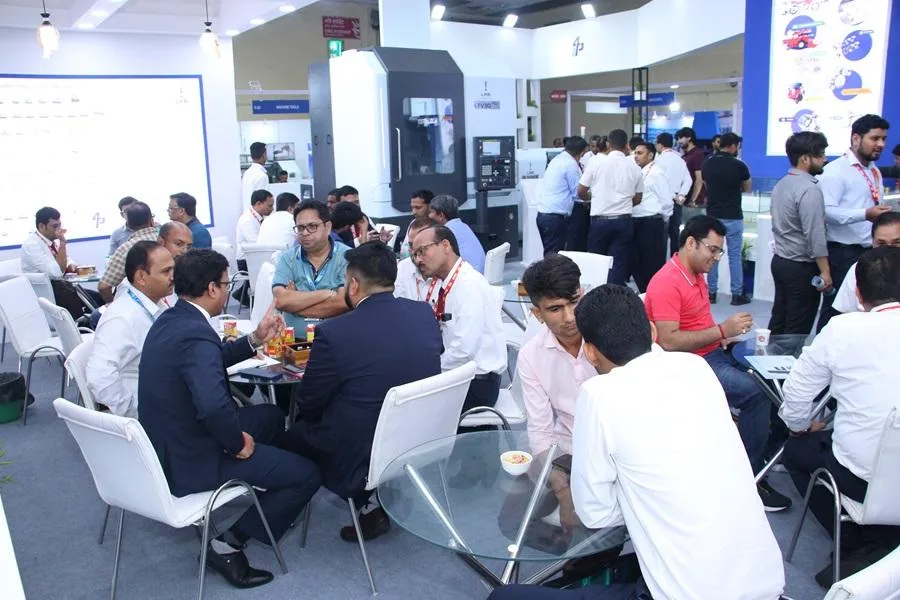
Industry associations offer startups a route to customers that does not require building an audience from zero. Organisations such as the Confederation of Indian Industry (CII), Federation of Indian Chambers of Commerce and Industry (FICCI) and PHD Chamber of Commerce and Industry bring businesses, manufacturers, service providers and industry representatives together through events and networking activities.
A startup selling factory automation software, packaging machinery or specialised accounting solutions can use these networks to meet potential buyers. Participating in industry events, presenting a product demonstration or joining relevant business forums can create opportunities for direct commercial discussions.
The advantage is access to a concentrated group of potential customers. However, membership alone does not generate sales. Founders must follow up with contacts, understand their requirements and demonstrate how the product can solve an actual business problem.
Business Partnerships: Selling Through Someone Who Already Has Customers
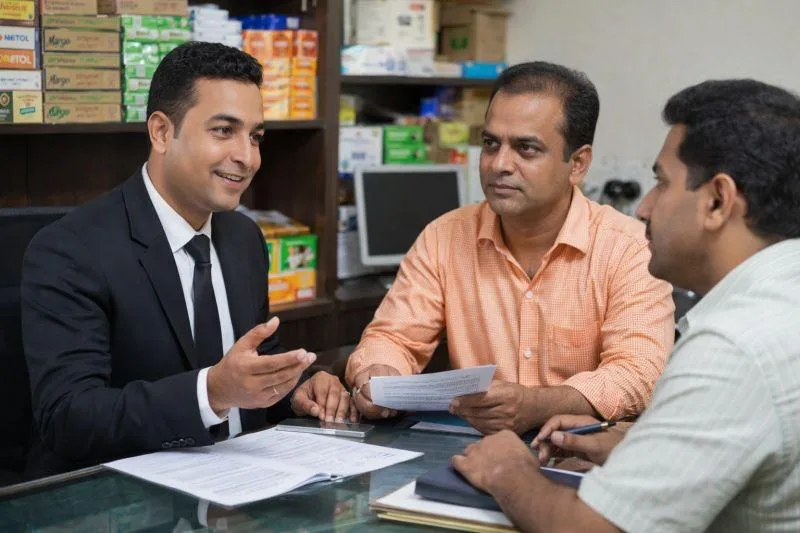
A startup does not always need to build its own sales network. It can work with companies that already serve the same customer segment and introduce its product as an additional service.
For example, a startup developing inventory software for small manufacturers could partner with accounting firms, ERP consultants, industrial equipment suppliers or business consultants. These partners already interact with business owners who may need the software.
This approach can also work in specialised sectors. A cybersecurity startup could work with IT service providers, while a packaging startup could collaborate with machinery dealers. The partner receives a commission or commercial benefit, while the startup gains access to potential customers.
Founder-Led Sales: Getting the First 50 Customers Personally

For an early-stage startup, the founder can be the most effective salesperson. Instead of immediately hiring a marketing team, the founder can identify 100 businesses facing a particular problem and contact their owners or decision-makers directly.
A software founder might visit industrial areas, attend local business meetings or request introductions from accountants and consultants. A manufacturing startup could approach potential buyers with product samples, pricing details and a clear explanation of how its product compares with existing alternatives.
This process may not produce hundreds of customers immediately. However, it helps founders understand why buyers reject a product, what features they actually need and how much they are prepared to pay. These conversations can also help shape the product before the company spends heavily on expansion.
Five Customer Acquisition Channels That Do Not Depend on Paid Advertising
Channel | How a startup can use it | Suitable businesses |
|---|---|---|
Industry associations | Attend meetings, exhibitions and business forums | Industrial and B2B startups |
Distributor network | Sell through established regional distributors | Food, FMCG and manufacturing |
Referral partnerships | Offer commissions for qualified customer introductions | Software and professional services |
Direct founder sales | Contact decision-makers and demonstrate products | SaaS and specialised products |
Existing customer referrals | Encourage satisfied customers to introduce new buyers | Almost every business |
Why This Approach Can Work Particularly Well in India
India has a large network of small manufacturers, wholesalers, retailers, distributors and service providers. Many of these businesses purchase products and services through established commercial relationships rather than discovering every supplier through search engines or social media.
A startup offering specialised software to textile manufacturers, for example, may find its first customers through textile industry associations, machinery dealers or accounting consultants. A new packaging supplier may find buyers through manufacturers, wholesalers and existing packaging distributors.
The same principle applies to regional markets. A startup operating in Hyderabad, Ahmedabad, Coimbatore, Pune or Ludhiana can identify local industrial clusters and approach businesses directly. Understanding the language, purchasing practices and operational problems of a particular industry can be more useful than attracting a large but unrelated online audience.
The Economics of Customer Acquisition Without Advertising
Not spending on advertisements does not mean customer acquisition is free. Founder time, sales travel, product demonstrations, distributor commissions, exhibition participation and relationship management all involve costs.
The important difference is where the startup spends its money. Instead of paying for impressions and clicks, it invests in relationships and sales activities that can generate repeat business.
For example, a startup spending ₹50,000 on a trade exhibition must evaluate how many qualified business leads it receives, how many become paying customers and how much repeat revenue those customers generate. Similarly, a distributor partnership should be evaluated based on sales volume, margins, payment cycles and customer retention.
A business should compare the total cost of acquiring a customer with the gross profit generated over the customer's relationship with the company. A low-cost lead is not necessarily valuable if it never converts into a purchase.
A Practical Customer Acquisition Strategy for a Startup With a Small Budget
An early-stage founder can begin with a relatively simple process:
Choose one customer segment: Avoid trying to sell to every business. Identify a specific industry, business size and purchasing requirement.
Build a list of 100 potential buyers: Use industry directories, trade associations, local business networks and referrals.
Contact decision-makers directly: Speak with owners, procurement managers or department heads rather than sending generic promotional messages.
Offer a product demonstration: Show how the product solves a measurable operational problem.
Find two or three distribution partners: Identify consultants, dealers or suppliers who already serve the same customers.
Build a referral system: Encourage existing customers to introduce other businesses through a transparent referral arrangement.
Measure repeat purchases: Track conversions, customer acquisition costs, gross margins and repeat orders.
This process helps a startup test demand before committing significant money to digital advertising or a large sales team.
Does This Mean Startups Should Avoid Google and Social Media?
Not necessarily. Google, Instagram, LinkedIn and paid advertising can still support business growth. They are useful for building credibility, publishing product information, receiving enquiries and helping prospective customers evaluate a company.
The bigger issue is becoming dependent on a single customer acquisition channel. A startup that receives almost all its enquiries from one advertising platform can face difficulties when advertising costs rise, algorithms change or account restrictions affect visibility.
A business with multiple customer acquisition channels has more options. Its customers may come through referrals, distributors, direct sales, industry networks, partnerships and online discovery at the same time.
Building a Business That Does Not Depend on One Platform
The journeys of Zoho, Zerodha, Paper Boat, Happilo, ElasticRun and other Indian companies show that customer acquisition can happen through different routes depending on the industry and business model. Some rely on customer trust and referrals, others on physical distribution, and some on direct relationships with enterprise buyers.
These examples should not be interpreted as proof that these companies never used advertising, search engines or digital platforms. Their business models demonstrate that customer acquisition can extend beyond paid digital marketing and that different distribution channels can play a substantial role in business growth.
For a new startup, the first milestone need not be 100,000 website visitors or one million social media followers. It could be 20 paying customers, five reliable distributors or three long-term business contracts. A company that knows exactly who its customers are, why they buy and how to reach similar buyers has the foundation for building a business without depending on any single platform.