

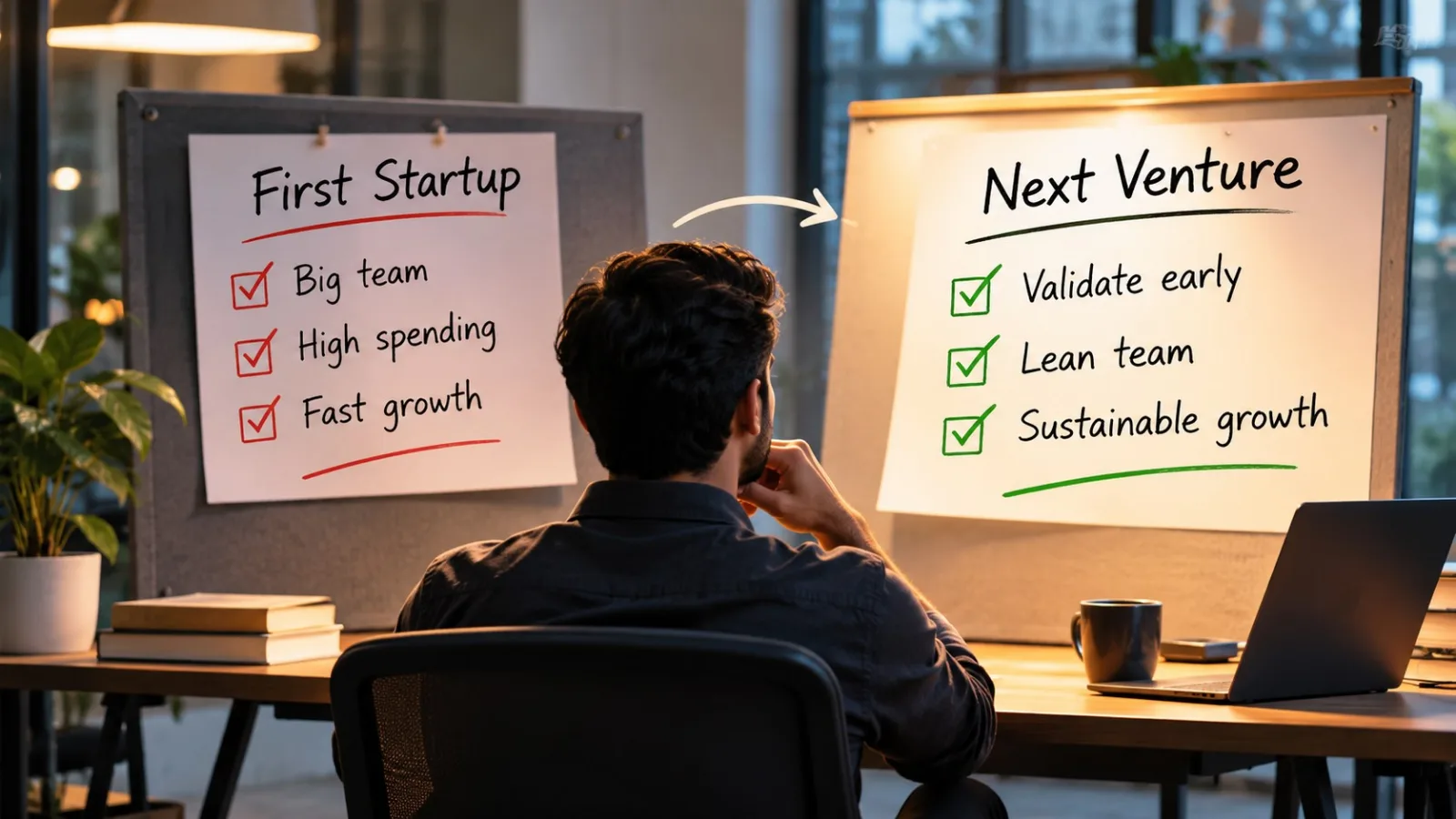
The startup world has long celebrated first-time entrepreneurs who turn an idea into a successful business. But a different group of entrepreneurs is attracting attention: founders who have already built one company and are returning to start another. Their approach is often shaped by what they experienced during their first entrepreneurial journey, including mistakes, difficult decisions, financial pressure and lessons about customers.
The second-time founder is not necessarily looking to repeat an earlier success. Some are entering completely different industries, while others are building businesses around problems they discovered while operating their previous companies. What makes their journeys interesting is how their earlier experiences influence the decisions they make when starting again.
From Kunal Shah's journey from FreeCharge to CRED to Sachin Bansal's move from Flipkart into financial services through Navi, India has several examples of entrepreneurs taking another shot at building a company. Internationally, founders such as Melanie Perkins of Canva and Stewart Butterfield of Slack also demonstrate how previous ventures can shape a new business.
From First-Time Founder to Building a Second Business
Starting a company for the first time involves learning several things simultaneously. Founders must understand customer behaviour, manage employees, negotiate with suppliers, develop products and find ways to generate revenue. Many of these responsibilities become clearer only after the business starts operating.
A second-time founder enters the next venture with a different set of experiences. They may already understand how long product development takes, why customer acquisition can become expensive and how quickly operating expenses can increase. This experience does not guarantee success, but it can help founders recognise problems earlier.
Another difference is the way entrepreneurs evaluate opportunities. Instead of choosing an idea simply because it appears attractive, experienced founders may examine the market, customer requirements, competition and revenue possibilities before committing significant resources. Their previous business provides practical lessons that cannot always be learned from startup books or business plans.
Kunal Shah: From FreeCharge to CRED
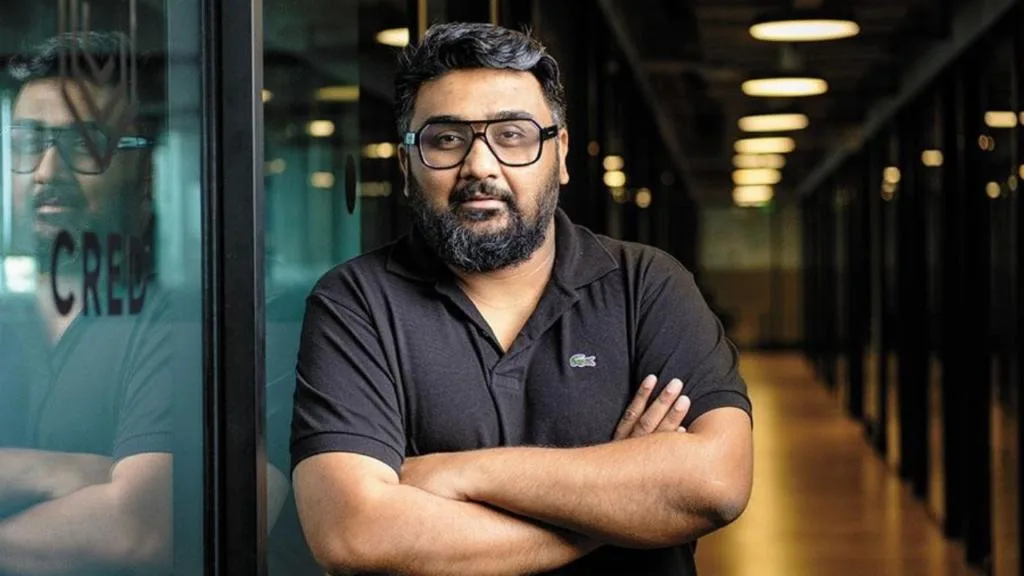
One of India's most recognisable second-time founder journeys is that of Kunal Shah. He co-founded FreeCharge in 2010, building a platform that offered customers promotional coupons when they recharged their prepaid mobile connections. The company grew in India's digital consumer market and was acquired by Snapdeal in 2015.
After FreeCharge, Shah started another consumer technology company, CRED, in 2018. Instead of focusing on mobile recharges, the new business targeted credit card users and built its initial proposition around rewarding members for paying their credit card bills. The two companies operated in different segments, but both involved understanding consumer behaviour and building digital products around everyday financial activities.
The transition from FreeCharge to CRED illustrates how a founder can carry experience from one business into another without necessarily repeating the same product strategy. Shah had already worked in consumer technology, payments and customer acquisition before launching CRED. His second venture entered a different market with a different customer proposition.
Sachin Bansal: Moving From E-Commerce to Financial Services
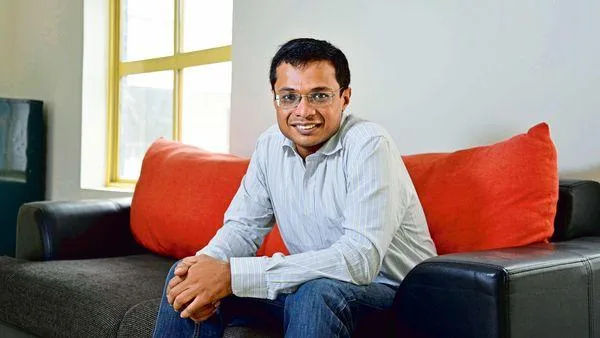
When Sachin Bansal left Flipkart following Walmart's acquisition of the company, many expected his next move to remain connected to e-commerce. Instead, he entered the financial services industry by launching Navi Technologies in 2018 with co-founder Ankit Agarwal.
Navi initially focused on lending and subsequently expanded into other financial services, including insurance and investments. This represented a considerable shift from Bansal's earlier experience building an online retail marketplace. Rather than creating another shopping platform, he chose an industry where technology, financial infrastructure and access to services presented different business challenges.
In interviews, Bansal has discussed his interest in improving access to financial services for India's middle-class population. His experience at Flipkart gave him exposure to building a large technology business, but Navi required a different understanding of lending, financial regulation and risk management. His move demonstrates that a second venture does not have to operate in the same industry as the first.
Melanie Perkins: How Fusion Books Became the Foundation for Canva
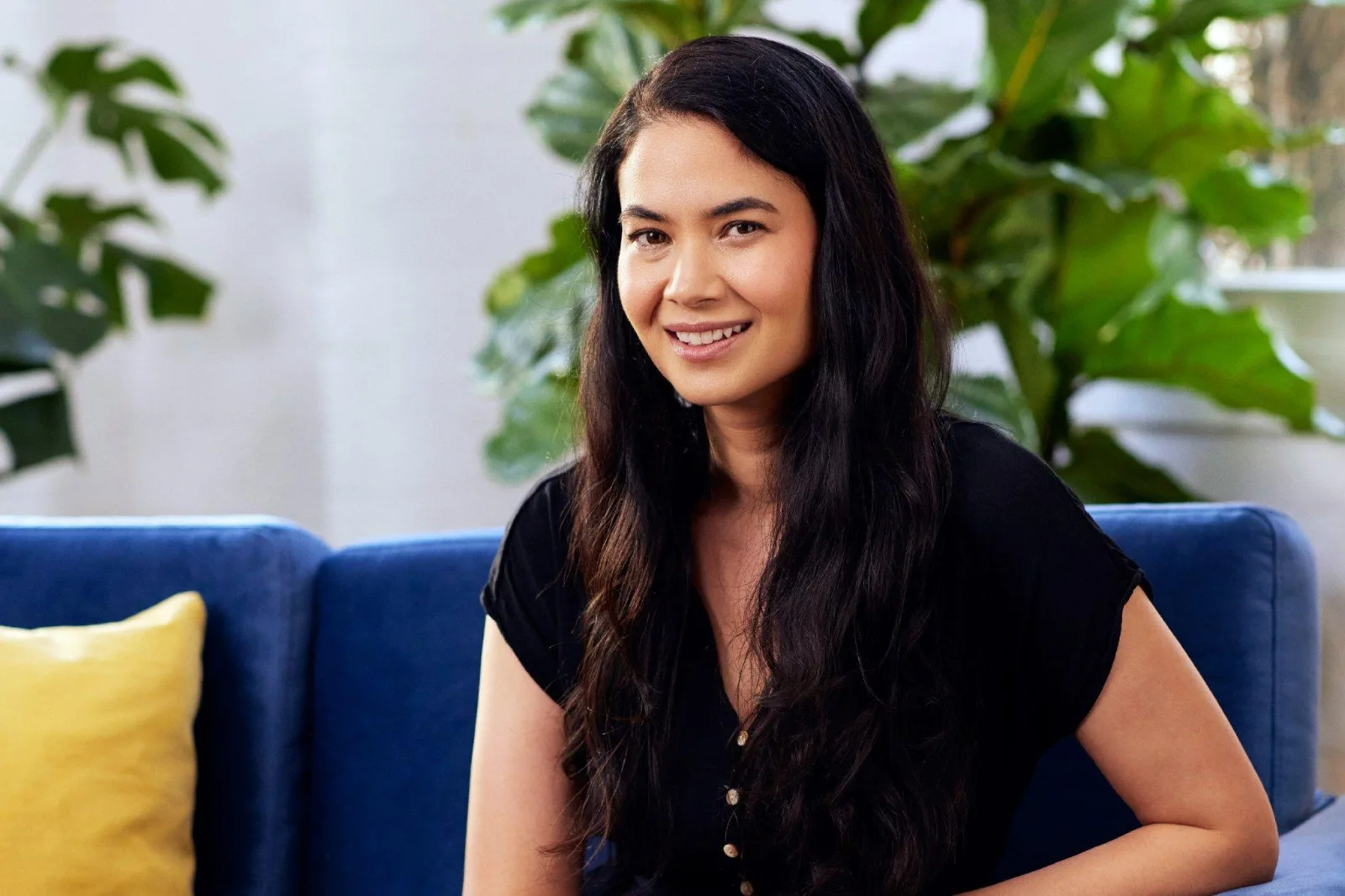
Before Canva became a widely used design platform, its co-founder Melanie Perkins had already started another business called Fusion Books with Cliff Obrecht. Fusion Books helped schools create and design yearbooks through an online platform, addressing a specific problem in the publishing process.
The experience of building Fusion Books helped Perkins understand the difficulties people faced when using traditional design software. Rather than immediately attempting to compete across the entire graphic design industry, she and her team had experience serving a clearly defined customer segment through an online design product.
Canva was launched in 2013, expanding the original idea into a platform that allowed a much wider audience to create visual content. The journey from Fusion Books to Canva shows how an earlier business can provide practical experience, product knowledge and a foundation for a much larger opportunity.
Stewart Butterfield: The Failed Game That Led to Slack
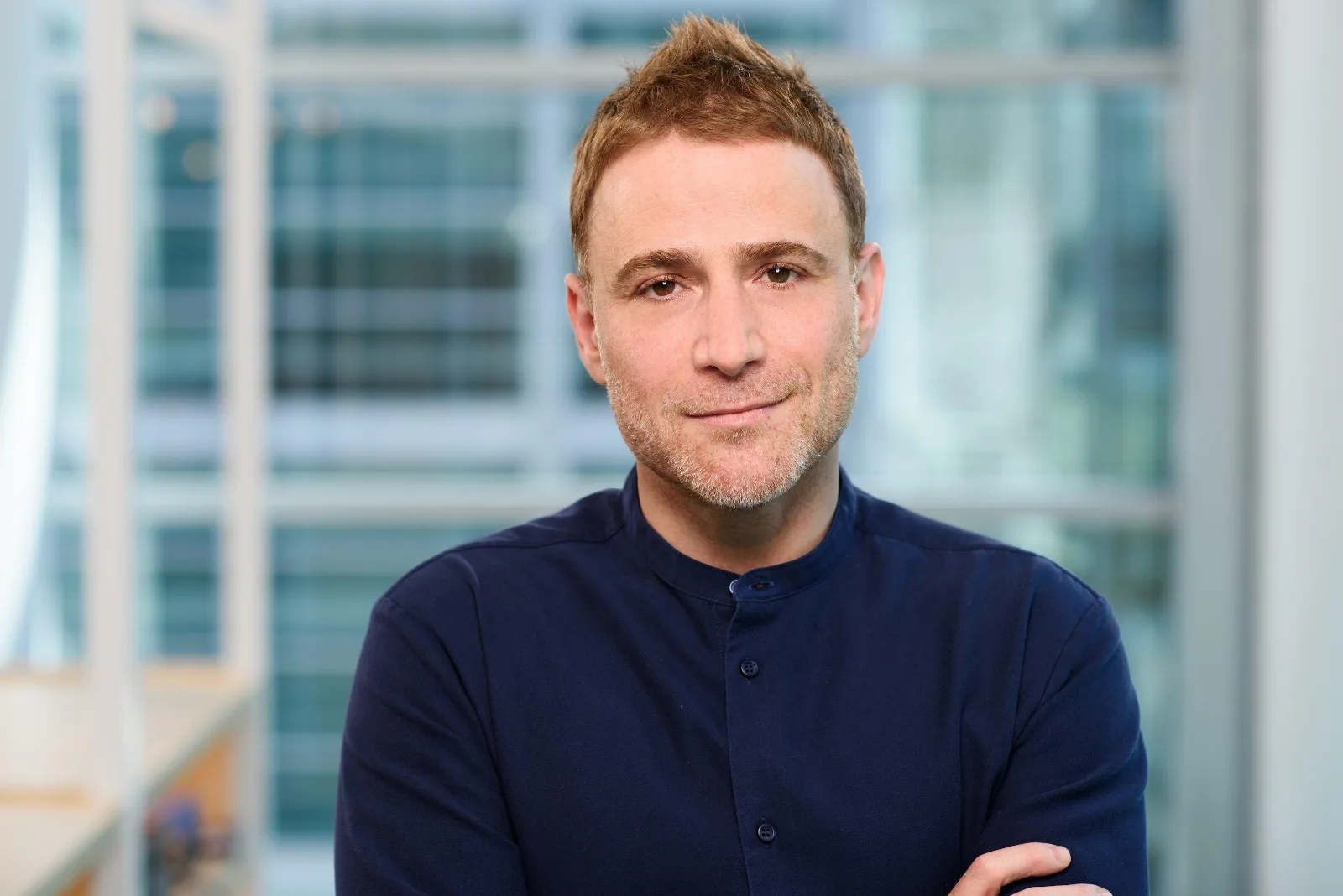
The story of Stewart Butterfield is an interesting example of how experience from an earlier venture can influence a completely different business. Before creating Slack, Butterfield had co-founded Flickr, the photo-sharing platform that was acquired by Yahoo in 2005. He later started a gaming company called Tiny Speck, which developed an online game named Glitch.
Glitch did not achieve the commercial success the team had hoped for, and the company eventually shut down the game. However, during its development, the team had built internal communication tools to coordinate their work. Those tools became the foundation for Slack, which was launched in 2013.
Instead of treating the gaming venture as the end of the entrepreneurial journey, Butterfield and his team recognised that some of the technology they had developed could serve a different market. Slack eventually became one of the major workplace communication platforms and was acquired by Salesforce in 2021. This example shows how an unsuccessful product can sometimes lead to a different business opportunity.
Why Second-Time Founders Are More Careful About Spending
One of the most important lessons entrepreneurs learn while operating their first business is how quickly expenses can grow. Office rentals, employee salaries, advertising campaigns, software subscriptions and infrastructure costs can create considerable financial pressure before a company establishes a predictable revenue stream.
An experienced founder may approach these expenses differently when starting another company. Instead of immediately building a large team, they may begin with a smaller group and expand only when business requirements justify additional hiring. The objective is to avoid creating a cost structure that requires continuous funding simply to keep the business operational.
This approach does not mean every second-time founder prefers bootstrapping. Some may have access to investors and sufficient capital to pursue aggressive expansion. The difference is that previous operating experience can help them evaluate how much money is required, where it should be spent and what business milestones the investment is expected to achieve.
Testing Customer Demand Before Building a Complete Product
A business idea can look attractive during discussions with friends, investors and potential partners. However, the real test begins when customers are asked to pay for the product. Entrepreneurs who have already experienced the challenges of launching a product may be more interested in testing demand before committing substantial development resources.
For example, a founder planning to build software for small manufacturers could initially approach ten or twenty businesses and understand their existing operational problems. Instead of developing a complete platform immediately, the entrepreneur could offer a basic solution to a few customers and evaluate whether they are willing to pay for it.
This process provides practical information about pricing, product requirements and customer expectations. It can also reveal problems that were not considered during the initial planning stage. For a second-time founder, avoiding an expensive product development mistake can be just as important as identifying a new market opportunity.
Building Smaller Teams With More Technology
The cost of starting a business has changed considerably with the availability of cloud computing, automation platforms and artificial intelligence tools. Activities that previously required dedicated employees can now be partially managed through software. This has created opportunities for entrepreneurs to operate with smaller teams during the early stages of a company.
A founder launching a new software business, for instance, may use cloud infrastructure instead of investing in physical servers. Customer support, accounting workflows and marketing operations can also be supported by specialised software. This allows the company to focus its initial hiring on product development, sales and other activities that directly contribute to its business.
Second-time founders may be particularly conscious of the relationship between employee numbers and operating expenses. Having managed teams previously, they may understand that hiring more people does not automatically produce faster growth. The priority is to build a team that matches the actual requirements of the business.
Choosing a Smaller Market Instead of Competing Everywhere
Many first-time founders want their products to appeal to the largest possible audience. They may build platforms designed for multiple industries, customer groups and geographical markets. While a large target market can offer significant opportunities, it can also make product development, marketing and customer acquisition more complicated.
Experienced entrepreneurs may choose to enter a smaller market where customer requirements are easier to identify. For example, rather than developing another general business management platform, a founder might create software specifically for independent restaurants, regional distributors or small manufacturing companies.
A focused product can help a new company understand its customers more closely and develop features around their actual requirements. Once the business establishes a reliable customer base, it can evaluate whether expanding into additional industries or markets makes commercial sense.
Previous Business Networks Can Reduce the Time Needed to Start Again
One advantage that second-time founders may have is an established professional network. Their previous business could have introduced them to investors, technology partners, suppliers, experienced employees and potential customers. These relationships can be useful when launching another company.
For example, a founder who previously operated a business-to-business software company may already know several business owners who could become early customers for a new product. Former employees may also be interested in joining the next venture because they understand the founder's working style and expectations.
However, an established network is only a starting advantage. A new company still needs to demonstrate that its product solves a genuine problem and offers value to customers. Relationships can help open doors, but they cannot replace a sustainable business model.
The Next Venture May Not Follow the Same Business Model
A founder who previously built a consumer-facing company may choose a business-to-business model for the next venture. Someone who operated a technology startup might move into manufacturing, financial services or logistics. The decision can be influenced by problems they encountered in their earlier business or opportunities they discovered through industry relationships.
Sachin Bansal's move from e-commerce to financial services and Kunal Shah's transition from mobile recharge rewards to credit card payments illustrate this difference. Their second ventures were not simply new versions of their previous companies. They entered different markets with different customer requirements and operating challenges.
This is an important distinction because entrepreneurial experience does not necessarily mean repeating an earlier formula. Sometimes the biggest opportunity comes from applying existing knowledge to an entirely different industry.
Does Being a Second-Time Founder Increase the Chances of Success?
Previous entrepreneurial experience can provide advantages, but it does not guarantee that another business will succeed. Markets change, customer preferences evolve and competition can be very different from what a founder experienced in an earlier company.
A successful entrepreneur entering financial services, for example, must understand regulatory requirements, credit risk and financial operations. Experience in e-commerce alone cannot replace that industry knowledge. Similarly, a founder who previously built software for consumers may face a different set of challenges when selling enterprise software to large organisations.
There are also risks associated with previous success. Founders may become overconfident, rely too heavily on familiar business models or assume that strategies that worked in one market will produce similar results elsewhere. Starting again requires the willingness to learn, adapt and question earlier assumptions.
How Experienced Founders Are Shaping India's Next Wave of Startups
India's startup ecosystem has produced entrepreneurs who are building multiple businesses across different industries. Their journeys are creating examples for founders who are considering entrepreneurship for the second time. The availability of digital infrastructure, specialised technology platforms and a growing customer base has also created opportunities to explore business models that were more difficult to develop in earlier years.
The examples of Kunal Shah, Sachin Bansal and other repeat entrepreneurs show that a second venture can involve a different industry, a new customer segment or a completely different product. Their previous businesses may provide experience and professional relationships, but the new companies still need to establish their own market positions.
For India's emerging entrepreneurs, the second business may not necessarily be about raising a larger funding round or building a company faster. It could be about identifying a more specific customer problem, controlling operating expenses and developing a business that can support itself through revenue. The experience gained from the first venture may ultimately influence not just what founders build next, but how they approach the entire process of building a company.